

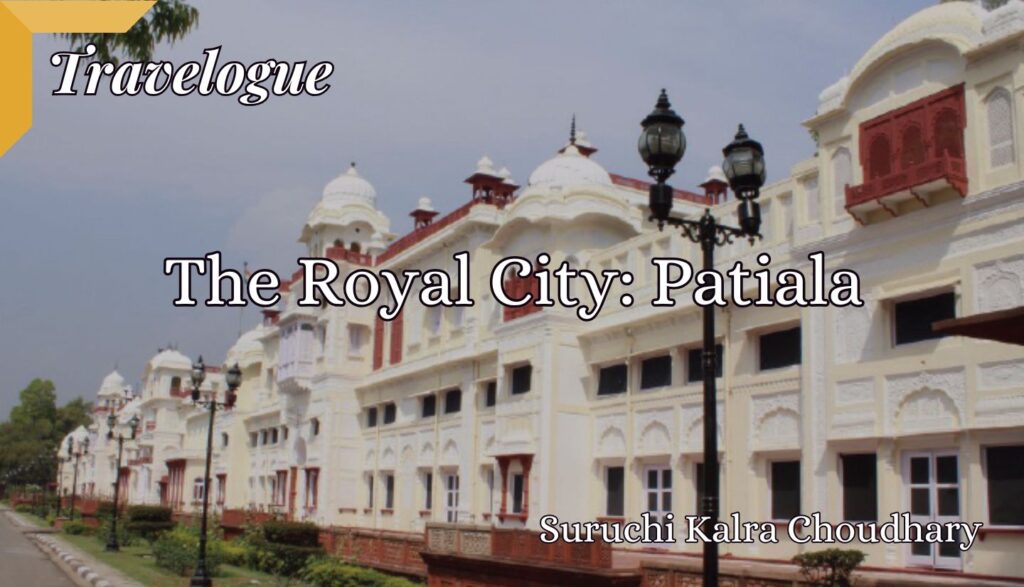
Ala Singh founded the Patiala dynasty in 1763 and built the Qila Mubarak. The city of Patiala was developed by subsequent rulers, and it established itself in the Indian sub-continent as a hub of Punjabi culture. Historians trace the Rig Vedic origins to the capital of the erstwhile princely state PEPSU, once known as Sapt Setu (Land of seven rivers).
Situated in the fertile Indo-Gangetic plain, the area is a highly fertile land of the Malwa region. Patiala enjoys excellent connectivity through rail and road, NH 7. My Mama ji settled there, and the city exudes ‘Nanke’ vibes. My cousins’ birth ceremonies, birthdays, weddings, rakhi/tikka, get together to my own children’s admission, so many memories. Each visit, a new façade unfolds.
As children, we would all troop in Mama ji’s car for an outing to Sheesh Mahal, Moti Bagh, Deer Park and the Baradari Gardens. Now, a visit to Gurudwara Shri Dukhnivaran Sahib for spiritual healing and peace is a must. We pay obeisance at the Shri Kali Mata Temple on the Mall Road. On Saturdays and festivals, a long queue of devotees can be seen. The perpetually burning Pawan Jyoti, the Kul Devi Shri Raj Rajeshwari temple in the heart of the complex are testimony of history intertwined with royalty.
Patiala is an educational hub and has many educational institutes of repute. There are many schools, from the iconic Yadvindra Public School (YPS), Our Lady of Fatima, to KVs, to the modern franchises like DPS. Mohindra College is one of the oldest institutions of North India; Multani Mal Modi College, too, is an old college of the area and many more. Government Medical College (GMC), Government Ayurvedic College, Netaji Subash National Institute of Sports (NIS), State University, Punjabi University, Thapar Institute of Engineering and Technology (TIET) and Rajiv Gandhi National University of Law lend academic grace to the city.
Patiala has the unique distinction of collocation: Patiala peg, Patiala lassi, Patiala pug/pagri, Patiala paranda, Patiala salwar, Patiala reshmi nale, Patiala jutti, Patiala phulkari. They connote the regional distinction, cultural heritage and traditions. Vibrant folk dances, Bhangara and Gidda, performed on festivals and events, are deeply rooted in the soil. Flourishing under the royal patronage, Patiala gharana is a prominent, intricate vocal style of Hindustani classical, and its aesthetics also influence Kathak (classical dance form).
Shopping at the market through Shera walan gate and Adalat Bazar for classic/ vintage/ antique/ ethnic wear is a delight. Over subsequent visits, we have seen 22 No Phatak evolve from a few shops to a landmark commercial hub. You name a brand, and you find its outlet. From prominent fast food joints to regional outlets to street food, the area bustles with an exuberant crowd.
Visiting Patiala is always a pleasurable experience. People are lively and full of warmth. The city is a blend of contemporary vibrancy and traditional royal demeanour.
Suruchi Kalra Choudhary

0 Comments